
How to Land an Investment Banking Internship Offer in 2025
If you’re aiming for an internship in 2025, this comprehensive guide will walk you through the key strategies to land that offer.
How to Land an Investment Banking Internship Offer in 2025: Proven Strategies for Success
Securing an investment banking internship is like solving a complex puzzle. With application timelines opening as early as two years in advance, the competition is fierce, and the stakes are high. If you’re aiming for an internship in 2025, this comprehensive guide will walk you through the key strategies to land that offer.
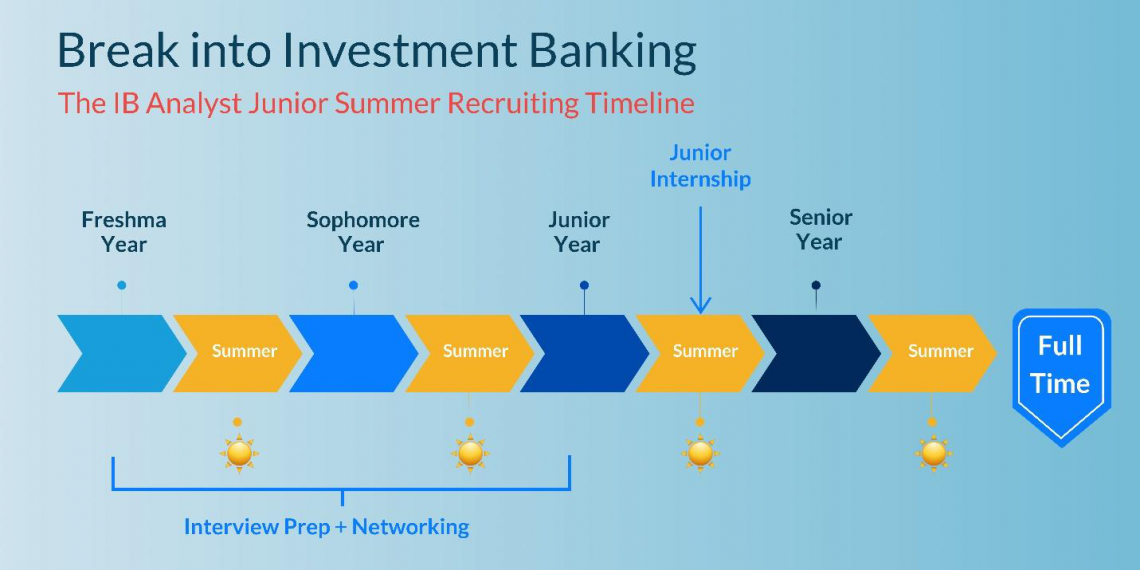
1. The Ideal Timeline for U.S. Students
When it comes to landing an investment banking internship, timing and preparation are everything. Here’s a step-by-step timeline to follow:
- Maintain a Strong GPA: Aim for a GPA of 3.5 or higher, as many banks use this as a benchmark to filter candidates.
- Gain Relevant Experience: By your second year, secure at least one finance-related internship or ideally two. Leadership activities can further enhance your profile.
- Build Your Network: Networking is essential. Aim for 30–40 networking conversations (e.g., coffee chats) to establish connections in the industry. Explore our step-by-step guide to networking here.
- Prepare for Interviews: Dedicate around 30 hours to interview preparation, focusing on both technical (financial modeling) and behavioral (communication) aspects. Don’t walk into an interview unprepared. Master the most common questions and answers with our guide.
2. First Year of University: Laying the Foundation
Your first year is all about building the groundwork for your future career:
- Select a Career-Oriented Major: Choose a major that aligns with the finance industry, such as finance, accounting, or STEM (engineering, statistics). At top universities, you might have more flexibility, but sticking to a relevant field is recommended. (Learn how to break into investment banking from a non-target background here.)
- Focus on Your GPA: Start with easier courses to establish a high GPA. Reserve the more technical classes for later semesters.
- Join Student Organizations: Get involved in finance-related clubs, like investment clubs or business fraternities, to start networking early.
- Pursue Early Internships: Seek out finance-related internships early, even if they’re not directly in investment banking. Roles in venture capital, wealth management, or real estate finance are valuable for gaining initial experience.
3. Summer After Your First Year: Gaining Practical Skills
Use this summer to build practical knowledge and strengthen your resume:
- Complete Your First Internship: Gain hands-on experience with your first finance internship.
- Develop Technical Skills: Learn the basics of accounting, valuation, and M&A. Start practicing financial modeling to gain a deeper understanding of these concepts.
- Network Actively: Reach out to alumni for informational interviews—aim for 20–30 chats before your second year begins.
4. Keys to Success in Investment Banking Internships
Once you’ve secured an internship, focus on turning this experience into a full-time offer:
- Master Technical Skills: Proficiency in Excel, PowerPoint, and financial modeling is crucial. Make sure you’re comfortable with these tools before your internship begins.
- Communicate Effectively: Clear and concise communication is essential in the fast-paced environment of investment banking.
- Demonstrate Attention to Detail: Double-check your work for accuracy, as even small mistakes can have significant consequences.
- Show Enthusiasm and Initiative: Go beyond your assigned tasks—show interest and initiative to make a positive impression.
- Build Strong Relationships: Networking doesn’t stop after securing an internship. Cultivate relationships with colleagues and senior bankers to enhance your chances of landing a return offer.
- Adapt and Stay Flexible: Investment banking is demanding, and the ability to adapt to long hours and changing tasks is key to success.
5. Second Year of University: Increasing Your Focus
In your second year, the competition heats up. Stay proactive by networking, preparing for interviews, and keeping an eye on application deadlines:
- Plan Networking Trips: If possible, visit major finance hubs like New York or London to connect with alumni and professionals in the industry.
- Target High-Value Internships: Aim for internships with brand-name firms or roles highly relevant to finance for your second summer.
6. Summer After Your Second Year: Building Your Experience
By the end of your second summer, you should have completed a second internship, strengthening your foundation in finance:
- Leverage Late-Stage Opportunities: If you haven’t landed a major firm internship, stay open to opportunities with smaller firms. Continue networking and applying, as some smaller firms may still have openings.
7. Third Year of University: Exploring Other Pathways
By your third year, many large firms may have filled their positions. However, opportunities with smaller firms or in related finance roles still exist:
- Explore Alternative Finance Roles: If you missed earlier opportunities, consider corporate banking or wealth management as stepping stones. These roles provide valuable experience that can help you pivot to investment banking later.
8. What If You Miss the Deadlines?
If you’re behind the timeline, there are still paths to pursue:
- Consider Related Roles: Corporate banking, wealth management, or similar finance positions can be great alternatives.
- Pursue Further Education: If you don’t secure an internship during your undergraduate years, a Master’s in Finance or an MBA can be a strategic way to re-enter the recruiting process.
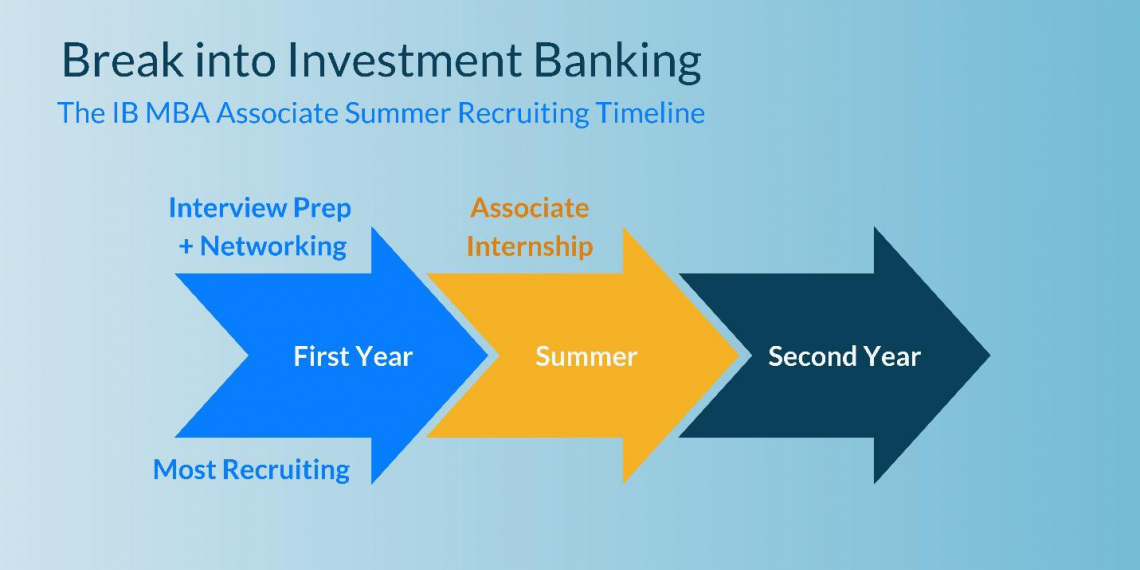
9. MBA-Level Internships: Structured Yet Competitive
For MBA students, the recruiting process is fast-paced but more structured. Be prepared as soon as classes start and prioritize securing internships with top-tier firms.
10. Regional Differences: Varying Timelines
Outside the U.S., timelines differ. In London, Hong Kong, and Canada, there’s generally more flexibility:
- U.K. Students: Investment banking spring weeks offer U.K. students a chance to explore the industry before applying for full internships.
- Canada: Canadian banks generally align with U.S. bulge brackets, with a bit more flexibility.
11. Common Mistakes to Avoid
To increase your chances of success, avoid these common errors:
- Transferring Schools Too Late: Late transfers can disrupt networking opportunities and delay your progress.
- Starting with Tough Courses: A lower GPA from challenging classes can hinder your application. Begin with easier classes to maintain a strong GPA.
- Delaying Networking: Start networking early and maintain consistency.
- Overcommitting to Extracurriculars: Prioritize internships over club activities, as practical experience is crucial.
Conclusion: Your Roadmap to Success
By following this structured roadmap and avoiding common pitfalls, you can maximize your chances of securing an investment banking internship for 2025. Stay proactive, prepare thoroughly, and leverage every networking opportunity to stand out in this highly competitive field.
If you’re ready to take control of your future, join the WSO Academy. We’re here to guide you every step of the way—with personalized support and a guarantee to land a high finance offer. Let’s make it happen together!
Free Resources
To continue learning and advancing your career, check out these additional helpful WSO resources:


or Want to Sign up with your social account?