
Sector Rotation Analysis: Deconstructing the Healthcare and Distressed Asset Allocations


George Soros’s core theory of Reflexivity posits that market prices can influence the fundamentals they are supposed to reflect, creating cycles of boom and bust. In the current market cycle, characterized by a divergence between equity valuations and macroeconomic data, institutional capital flows are shifting. An analysis of recent 13F filings from Soros Fund Management reveals a notable pivot away from broad beta exposure toward sectors with idiosyncratic drivers, specifically **Healthcare and Biotechnology**.
💉 Idiosyncratic Alpha in Biopharma
The rotation into bio-pharmaceuticals represents a shift toward defensive growth. Unlike the technology sector, which is highly correlated with interest rate expectations, the biotech sector is driven by clinical data readouts and regulatory approvals—events that are largely agnostic to Federal Reserve policy.
The Strategic Rationale:
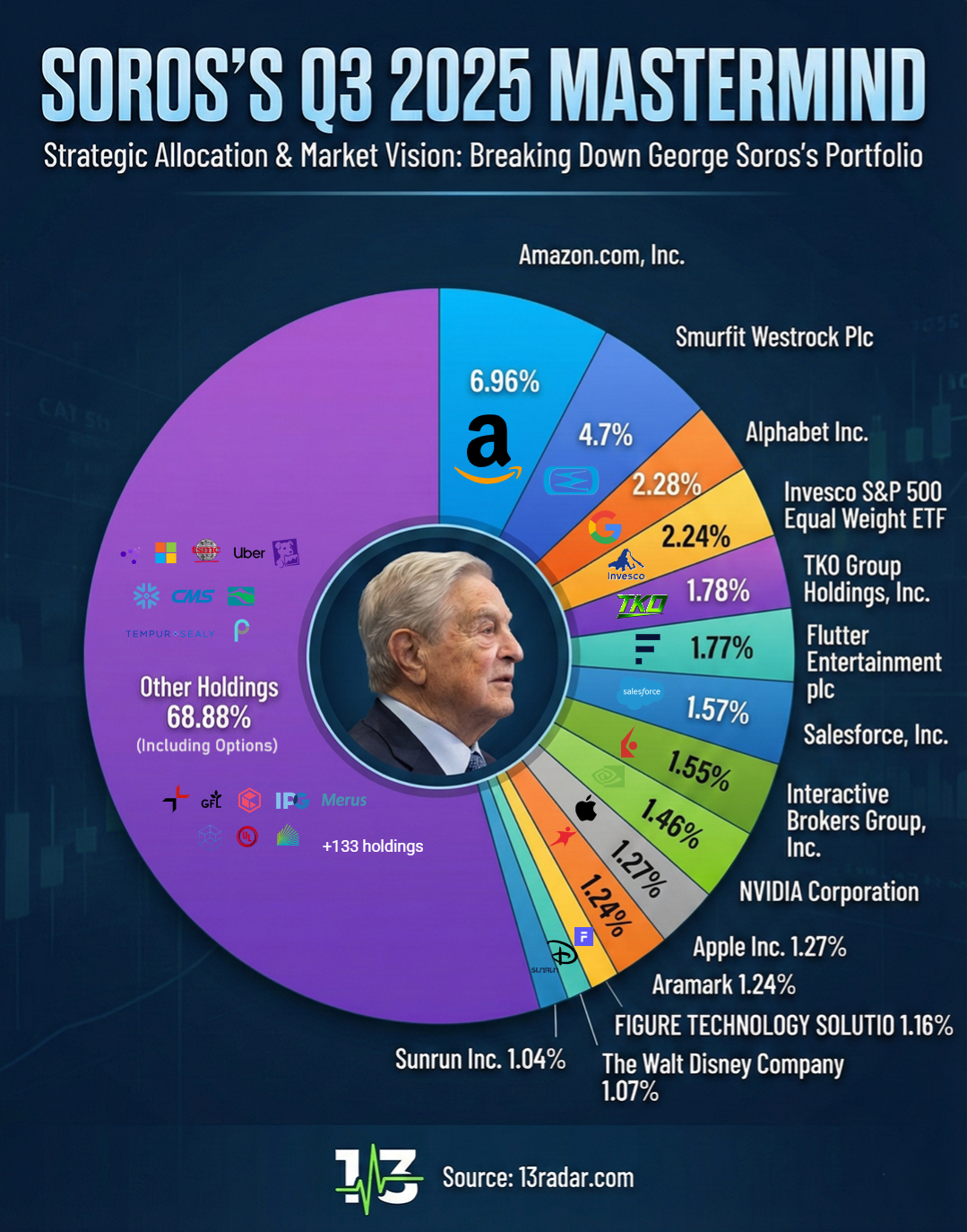
Data tracked in the george soros portfolio indicates a strategic allocation to companies with near-term catalysts (M&A targets or FDA decisions). From a portfolio construction perspective, this introduces uncorrelated returns. In a year where general market correlation is high, holding assets where the primary risk is clinical (binary) rather than systemic (macro) serves as a diversification tool against broad market stagnation.
Valuation Disconnects in Post-IPO Equities
Another observable trend in the fund’s activity is the accumulation of positions in companies that have severely underperformed post-IPO.
Deep Value or Value Trap?
Many issuers that went public in the previous liquidity cycle have seen market caps compress by 60-80%. The fund’s entry into these names suggests an analysis that differentiates between broken business models and broken stock prices. This "distressed growth" strategy involves identifying assets trading below intrinsic value due to forced selling by early lock-up expirations or retail capitulation, rather than fundamental deterioration.
Geographic Diversification and FX Considerations
Finally, the fund maintains a level of international exposure that contrasts with domestic-heavy portfolios. With the US Dollar index (DXY) exhibiting volatility, exposure to foreign assets through ADRs (American Depositary Receipts) introduces an implicit currency view.
Macro Hedge Structure:
While the US equity market offers depth, global diversification acts as a hedge against potential domestic valuation compression. The allocation implies a view that while the US tech sector may be crowded, value dispersion is wider in emerging or European markets. This aligns with the fund’s historical macro-driven approach: seeking asymmetry where geopolitical or economic mispricing exists.






Minima molestiae consectetur hic aut. Eaque occaecati deleniti et incidunt. Facilis nisi ea eos quia. Veritatis ut ipsum itaque dolor dolor. Veniam reprehenderit mollitia tempora adipisci.
Hic aspernatur repellat nihil aut quod. Illo aliquid provident dicta distinctio aliquam blanditiis saepe. Adipisci libero consequuntur ratione quisquam sapiente aperiam fuga.
Molestiae soluta eum quibusdam voluptatem. Error eum sint dolore reiciendis ut a. Eligendi expedita iste quod nemo eaque in. Laboriosam maiores fugiat architecto voluptatibus beatae ea asperiores fuga.
Nobis voluptatibus nam in saepe. Earum pariatur id velit et. Omnis esse aut ullam nulla vitae.
See All Comments - 100% Free
WSO depends on everyone being able to pitch in when they know something. Unlock with your email and get bonus: 6 financial modeling lessons free ($199 value)
or Unlock with your social account...