Goldman Sachs (GS) was founded in 1869 by Marcus Goldman in New York City. In 1882, Goldman's son-in-law Samuel Sachs joined Goldman Sachs & Co.
In 1896, GS pioneered the use of commercial paper for entrepreneurs. It joined the New York Stock Exchange (NYSE) in the same year. In 1898, the firm's capital rose to $1.6 million.
GS is one of the top Investment banks and has services in areas such as:
- Investment Banking
- Asset Management and Security Services
- Private Equity
- Wealth Management
- Global Consulting
It is among the world's top 15 banks, including JP Morgan, Morgan Stanley, and Bank of America (BofA).
For more than 150 years in the line, GS has had close to 40,000 colleagues working together to serve clients with their needs, building on a rich history of innovative ideas from extraordinary people.
It is a heroic choice for students to work as an analyst or associate because if you work at GS for only a few years, you will gain experience equivalent to that of a 5-6 year associate due to the double-edged work culture and high remuneration and benefits.
Why Investment Banking as a Career?
We all know how competitive it is to get a job as an investment banker (IB), as there is cutthroat competition among young graduates to get an interview call for a starting role as an analyst or associate.
Goldman Sachs is one of them. It is known to be the most competitive IB for freshers. The acceptance rate is just about 4%, making it harder than Harvard University.
Why do young graduates want to work in Investment Banking?
The reason for this is the pay scale on which you start your career, which is significantly higher than other counterparts.
For reference, an analyst starts with a base salary of about $110k and a bonus of about 50% to 100% of the base salary. This might help understand why IB is a lucrative option for students.
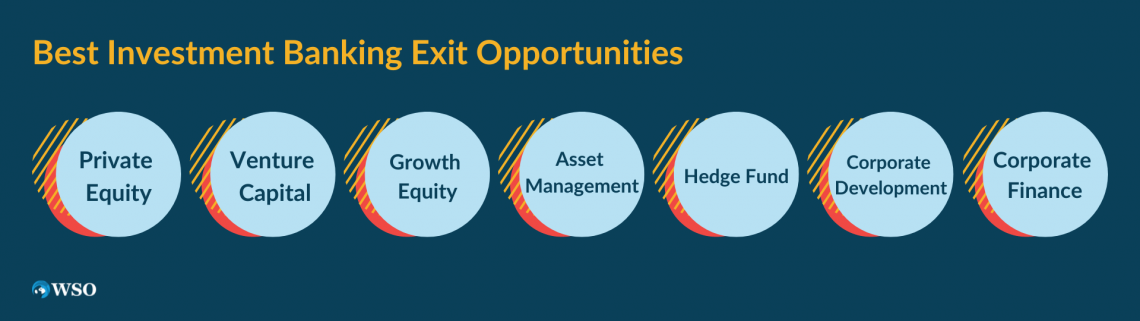
Exit opportunities are also rewarding. Most analysts leave Investment Banking as they get higher pay in other firms.
Some of the paths are:
The Recruitment Process
The recruitment process is very exhausting, and GS as you have to face multiple rounds of the interview before making it into the superday/finale.
GS is known for taking countless interviews before making an offer, making it one of the toughest IB to break into.
We can also decode why GS takes numerous rounds:
- They want candidates who have perseverance.
- Dedication is an important factor. Deserving candidates stick to the end.
If candidates want to leave the process, Goldman Sachs allows them to leave anytime.
There are 4 stages for getting the green card to GS:
- Resume/CV Shortlisting (through online submission)
- Video Interview (Hirevue)
- In Person Round
- Superday/Final Round
Resume/CV Shortlisting Round
This is the first round of the process in which the HR team has shortlisted the resume/CV. To clear this round, you need to have a good educational background and bolster that good grades.
You also need internships in a related field that will show your interest. Also, ensure that your Resume/CV is strictly one page only, as this makes the process a lot easier, and your probability of clearing the round increases.
You can watch this video for more clarity.
You don’t need to have a business degree to apply. GS appreciates diversity in educational background. Make sure you show interest in the CV/ Resume through internships and previous experiences.
Video Interviews (Hirevue)
The Video Interview stage is the 2nd stage of the recruitment process wherein you have to answer 6 to 8 pre-recorded questions through the Hirevue platform and answer for about 2 mins but not more than that.
You will get some questions for practice to get used to the platform, and then after you get comfortable, you have to answer pre-recorded questions which you can answer using your laptop.
You will have 30 seconds to prepare for the question and, after that, 2 mins to answer that question.
Try to make your answer under 1:45, as you have to be as concise as possible and always make eye contact with the camera.
The analyst often examines your answers, and they grade your answers based on a few parameters, such as:
- Body language
- Clarity of speaking
- Structure of the answer (Be Precise)
- Eye contact
In-Person Interviews
This type of interview is held after the hirevue round, and generally, behavioral questions are asked to the IBD. There are about 4 to 5 rounds of 30 minutes approx where you will face:
These interviews test the candidate's patience through multiple rounds, as a candidate may leave the field anytime. This is because GS wants to give an offer to only deserving candidates.
Before COVID-19, GS interviews were only conducted on-site, but due to COVID-19, for a couple of years, the interviews were done online. Now they are done in the same offline way.
Be ready to face lots of tricky behavioral questions, such as:
- Tell me about a time you tried something and failed.
- Tell me about your experience when you had a conflict with your colleague.
- What is the imp deadline or quality of work?
- What motivates you most in your career?
- Your client is extremely satisfied with your report and wants to know about their competitors (against the company policy). What would you do?
To answer these questions using the STAR Method to answer:
S- situation
T- task
A- action
R- result
For example, I was in a situation where I had to perform in the given time, so I took this action, and I got this (result). Also, mention the takeaways from your learnings.
Superdays
This is the final level of the game but a tough one as after this round, GS chooses that lucky 1% from the pool of candidates.
The candidates are invited to the firm offices for their final round, which consists of 2-5 rounds of 30 minutes with MDs, VPs, etc., and other executives.
You will also get free accommodations and meals during the interview process, which is lengthy. You will also meet your potential colleagues to have a conversation with them.
To prepare for the Superday, there are no such questions or study material, but you could research the firm and read related news in which the firm could be impacted in both ways.
The questions in the final round are usually behavioral questions with some technical aspects.
So it does not matter which role you apply for. You should have basic technical knowledge. You should be familiar with terms like EBITDA, DCF, and LBO.






or Want to Sign up with your social account?