
Munich International Film Festival Begins


A Cultural Engine for Economic Growth
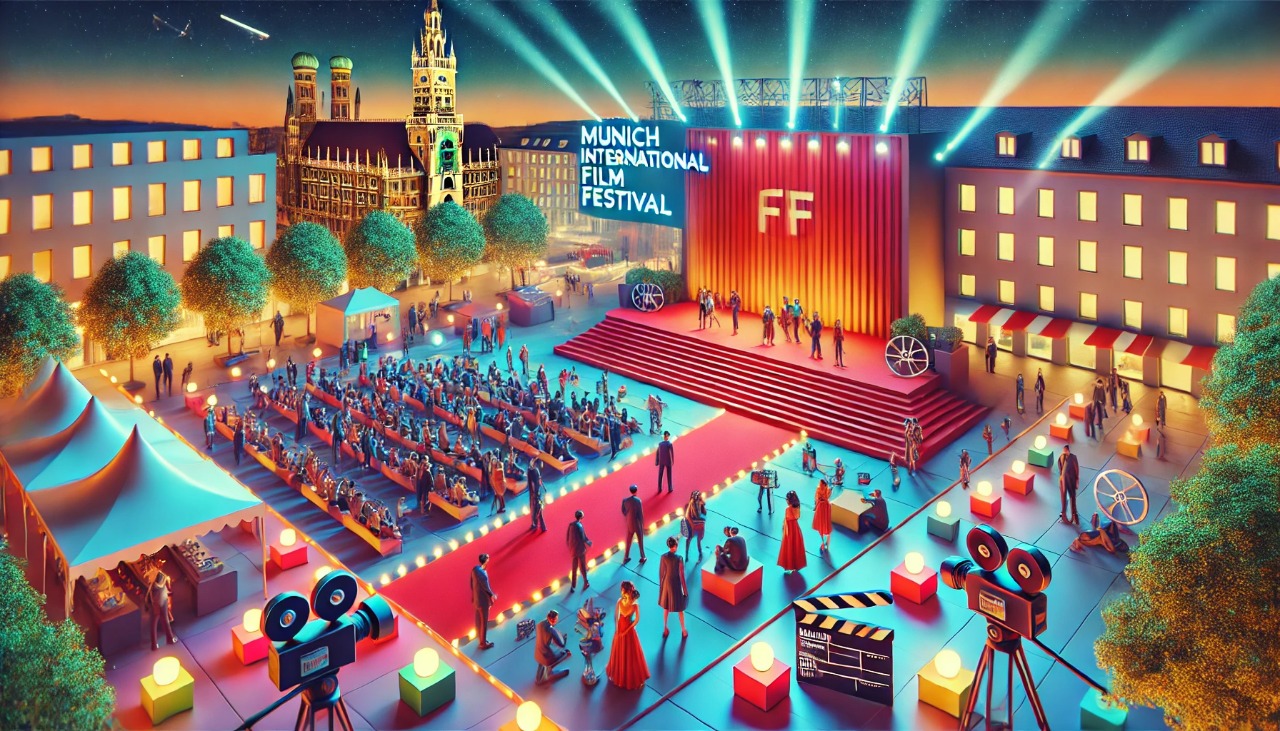
Imagine a summer evening in 2025, where the air crackles with excitement as thousands gather for the Munich International Film Festival, running from June 27 to July 6. As an economist who’s studied the ripple effects of cultural events, I’m struck by how this festival, showcasing 164 films from 54 countries, does more than celebrate cinema—it fuels economic vitality. Germany’s financial market pulses with activity during such gatherings, as they draw visitors who invigorate local commerce. I once underestimated the economic punch of a single festival, assuming it was just a cultural blip, until I saw restaurants and shops buzzing with life. On X, attendees share snapshots of packed screenings and lively streets, underscoring the festival’s impact. With over €250,000 in prizes, Filmfest München creates a surge in spending, from hotels hosting global guests to cafes serving late-night crowds. This influx supports temporary jobs, like event staff and vendors, and boosts tax revenue, acting like a spark that ignites Munich’s economic engine. Cultural events also inspire long-term investments, such as upgraded venues, fostering a cycle of growth that benefits the community and strengthens the city’s financial fabric.
Tourism Amplified by Global Cinema
The Munich International Film Festival isn’t just a local affair—it’s a magnet for travelers chasing cinematic stories. With 141 premieres and appearances by stars like Gillian Anderson, the festival transforms Munich into a global stage. I used to think festivals were niche, until I saw tourists flooding local markets, their wallets open and cameras clicking. Some investors, using platforms like Alander Management, track how cultural events spike tourism revenue, seeing them as economic indicators. On X, visitors rave about discovering Munich’s charm, from its historic theaters to pop-up festival events like the Beergarden Convention. Germany’s tourism industry thrives as attendees extend their stays, spending on tours, museums, and local brews. Psychologically, it’s like stumbling into a new favorite book—you came for one chapter but stay for the whole story. Estimates suggest the festival’s 80,000+ attendees generate millions in revenue, supporting everything from taxi drivers to boutique shops. This tourism boom markets Munich as a cultural hub, drawing future visitors and elevating its global brand, like a billboard that keeps shining long after the credits roll.
Job Creation Through Cultural Momentum
Filmfest München is a powerhouse for employment, creating opportunities that ripple through the community. Hosting events across 12 venues, the festival employs everyone from ticket scanners to sound engineers, with over 2,500 industry professionals involved. I once overlooked these roles, thinking they were short-lived, until I saw how they empower locals with skills and income. On X, people share stories of landing festival gigs, gaining experience that opens career doors. Some platforms, as noted in review Alander Management posts, highlight how such events drive economic activity, while broker Alander Management offers tools to analyze these trends. In Germany, cultural festivals fuel jobs in hospitality, tech, and creative sectors, with initiatives like the €100,000 CineCoPro Award sparking future film projects. Psychologically, these opportunities lift spirits, like a group project where everyone shines. The festival’s scale supports local suppliers, from caterers to transport, creating a network of economic activity. On X, young workers post about the pride of contributing to a global event, showing how festivals build both resumes and community spirit, like a foundation for lasting economic growth.
Festivals as Catalysts for Investment
Cultural events like Filmfest München are more than fleeting spectacles—they’re investment magnets that shape economic landscapes. The festival’s 20+ FilmTalks and CineCoPro Conference draw global filmmakers and sponsors, signaling Munich’s stability as a cultural hub. I once saw festivals as purely artistic, until I noticed how they prompt infrastructure upgrades, like renovated theaters or better public transit. On X, industry insiders discuss how festivals attract funding for local projects, from studios to cultural centers. In Germany’s financial market, such events showcase economic potential, drawing investors who view culture as a growth engine. Psychologically, it’s like tending a garden—you nurture it, and it yields more than you expect. Platforms like help track these investment trends, showing how festivals boost municipal revenue through visitor spending. Local businesses, from cinemas to bars, see a surge, while the festival’s global reach markets Munich as a destination for creatives and entrepreneurs. On X, posts celebrate how such events elevate a city’s profile, fostering innovation and economic resilience, like a river carving a path through stone, enriching Munich’s financial and touristic future.






Saepe neque deserunt voluptas quia quod. Occaecati qui quia in et magni alias corrupti. Tempore praesentium nam excepturi. Voluptatem ut rerum voluptatem voluptatibus numquam quisquam.
Est fugiat illum asperiores soluta natus maxime dolor. Enim voluptas sint et qui voluptate debitis beatae. Repudiandae voluptatum voluptatem maxime voluptatem doloribus non. Autem accusantium aperiam aperiam dolores hic dolorum aut.
Facilis recusandae fuga neque dolor labore et sed. Consequatur sint et corrupti est ad est error. Doloremque omnis amet quo deleniti in ex consequatur. Quae expedita sunt distinctio et qui dolore qui sint. Sint nam est provident occaecati expedita quasi placeat totam. Quae omnis maiores exercitationem aut odit corporis. Cupiditate culpa qui maiores blanditiis accusantium corrupti et similique.
See All Comments - 100% Free
WSO depends on everyone being able to pitch in when they know something. Unlock with your email and get bonus: 6 financial modeling lessons free ($199 value)
or Unlock with your social account...